News

You are here:
julien tromeur jPEmk165cms unsplash
Can we “persuade” a protein to find its way back to its “lost self”?

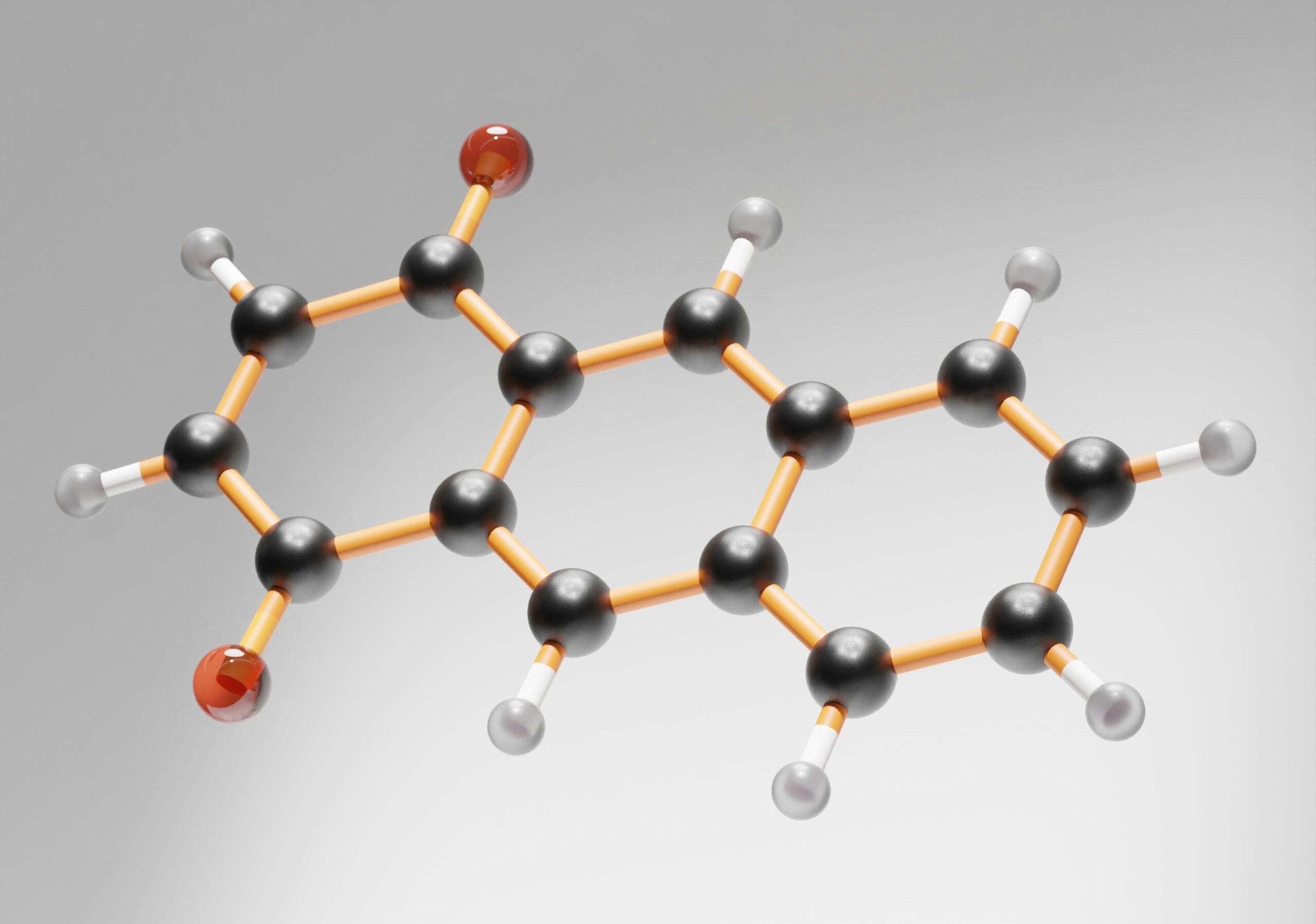
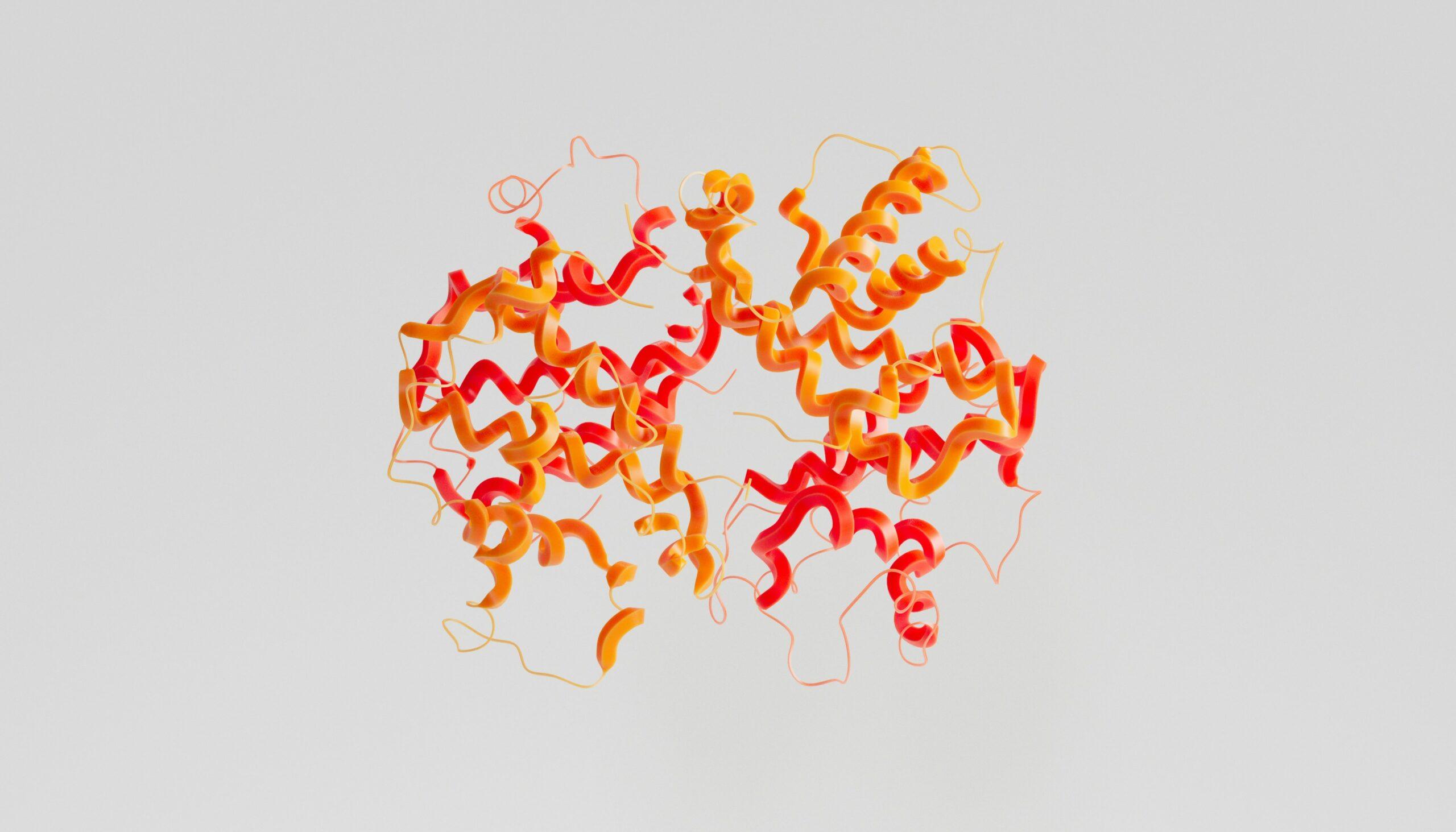
An insightful article in WIRED Greece is exploring a different way of thinking about drug discovery for protein misfolding diseases. Instead of simply blocking or eliminating a problematic protein, the idea is to change its behavior to shift it away from harmful structures and towards more functional ones. What makes this approach particularly interesting is…

Read article
ayush kumar VIb8pHrBUC4 unsplash
A new drug candidate offers hope to patients with Alzheimer’s disease.

A new drug candidate molecule that, in preclinical studies, succeeded in restoring learning and memory abilities in animals displaying Alzheimer’s-like symptoms has been identified by Greek researcher Dr. George Skretas and a research team from the Biomedical Sciences Research Center “Alexander Fleming,” the National Hellenic Research Foundation, and the spin-off company ResQ Biotech. The molecule,…

Read article
anirudh tiTzBRnr7PY unsplash
When Proteins “Misfold”: Public Event in Athens Explores Neurodegenerative Diseases and New Therapeutic Approaches

Scientists, clinicians, patients and caregivers are gathering in Athens on 12 October for a free public event focusing on protein misfolding diseases, available treatments and emerging therapeutic approaches What happens inside our cells when a protein loses its specific folded structure? How might this process be linked to neurodegenerative diseases such as Alzheimer’s disease, Parkinson’s…

Read article
Presentation1
Short-Term Scientific Missions at the University of Copenhagen

Dr Tania Chroumpi, an MSCA ERA Fellow in the laboratory of Dr Georgios Skretas, has completed two short-term scientific missions at the laboratory of Prof. Sotirios Kampranis at the University of Copenhagen, Denmark. The visits were carried out within the framework of the Twin4Promis project, coordinated by the National Hellenic Research Foundation (NHRF), and aimed to…

Read article
Gemini Generated Image gnjvqngnjvqngnjv
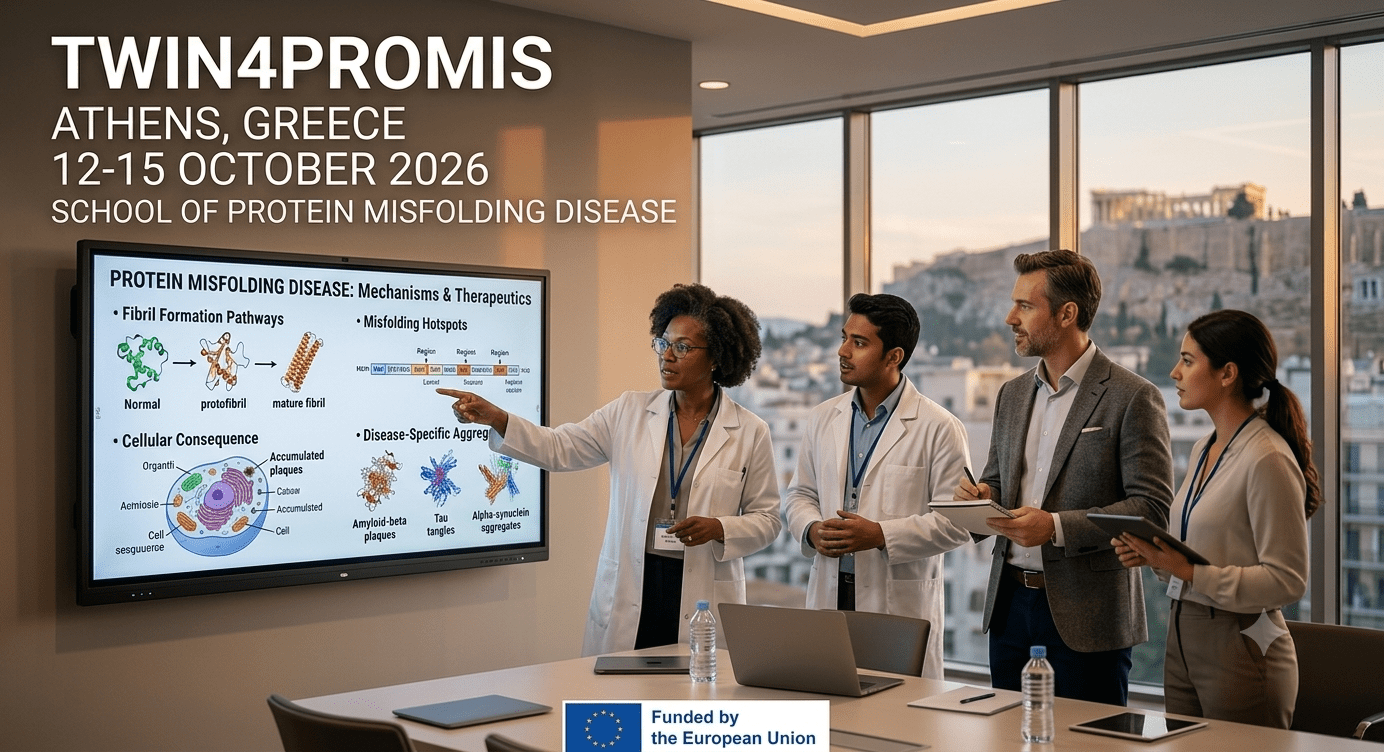
Athens to Host the School on Protein Misfolding Diseases

12–15 October 2026 | National Hellenic Research Foundation  Athens is set to become an international hot spot for cutting-edge biomedical research as it hosts from 12 to 15 October 2026 the first-ever “Athens School of Protein Misfolding Diseases”, organized from the National Hellenic Research Foundation (NHRF) within the framework of the Horizon Europe Twinning Project…

Read article
1000024895
Twin4Promis Short-Term Scientific Mission: Ms. Katerina Rizou Joins the Vendruscolo Group

Ms. Katerina Rizou, a 2nd year PhD student completed a two-and-a-half month Short-Term Scientific Mission at the Yusuf Hamied Department of Chemistry, University of Cambridge. During this time, she joined the Twin4Promis advanced partner Vendruscolo Group, led by Professor Michele Vendruscolo, one of the world’s foremost experts in the field of protein misfolding and aggregation.…

Read article
1748856416729
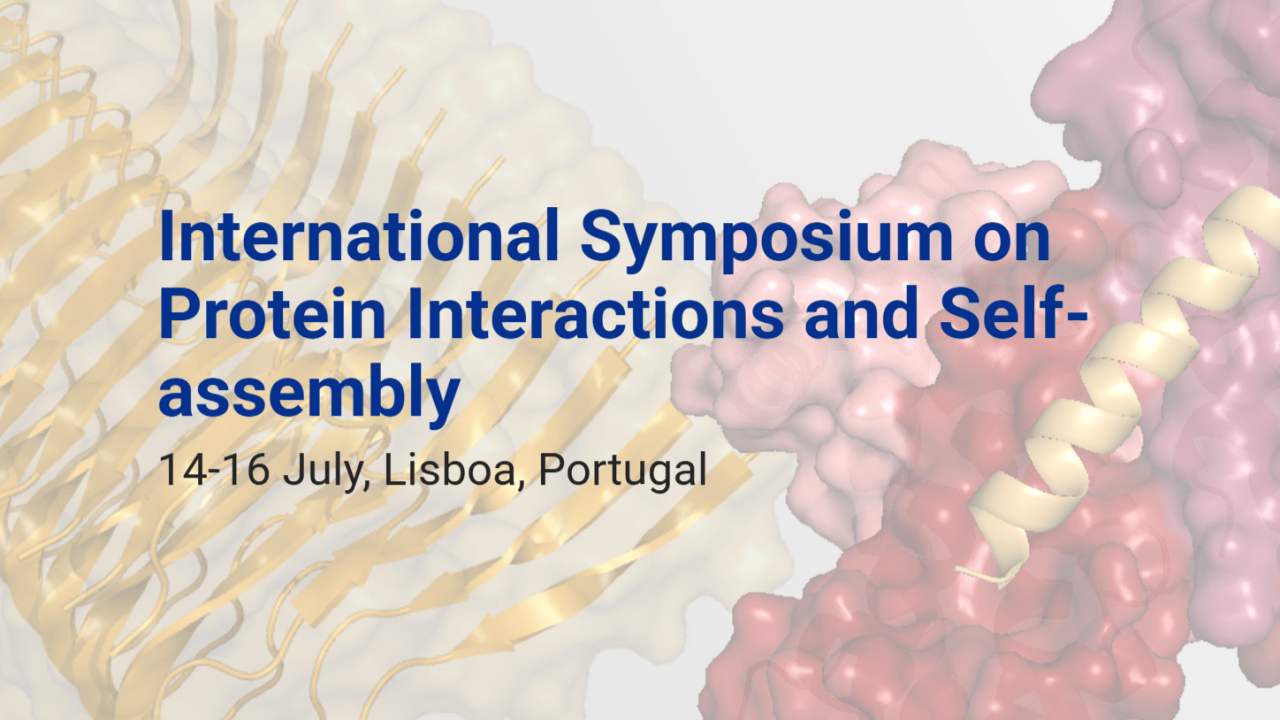
Strengthening Twinning Synergies: Twin4Promis at ISPIS 2025

Dr Georgios Skretas, principal investigator and coordinator of Twin4Promis, was recently featured as an invited speaker at the International Symposium on Protein Interactions and Self‑assembly (ISPIS 2025), which took place from 14 to 16 July 2025 at the University of Lisbon, Portugal. The symposium was organised within the framework of Twin2PIPSA, a Horizon Europe Twinning…

Read article
AdobeStock 285321954 min scaled
Promising Biotechnological Approach Significantly Reduces the Cost of Key Anticancer Drug

The Kampranis Research Team, at the University of Copenhagen—a Twin4Promis advanced partner—has made a significant step toward suggesting a way to lower the cost and environmental impact of producing paclitaxel (Taxol), a widely used chemotherapy drug for cancers such as breast, ovarian, and lung cancer. Paclitaxel is a complex naturally-derived compound from the Pacific yew…

Read article
AdobeStock 1395879913 scaled
New in ACS Synthetic Biology: Optimization of a High-Throughput Screen for Monitoring Disease-Linked Protein Misfolding in Bacteria

Skretas Lab has been leveraging the fluorescence of Escherichia coli bacteria engineered to express fusions of misfolding-prone (MisP) human proteins with green fluorescent protein (GFP) as a high-throughput screening readout for identifying chemical compounds that rescue disease-associated protein misfolding and aggregation. In a newly published study in ACS Synthetic Biology, the team defined conditions that…

Read article